To assist operators in identifying questionable activities (minimizing fraud), and ensuring compliant payment processes, LightningPay integrates transaction monitoring driven by AI, wallet verification, AML measures, and risk assessment. Payouts that used to require hours are now finalized in mere seconds, enhancing player satisfaction and decreasing the number of complaints. Frequently — traditional payment methods result in increased costs, risks of chargebacks, and delays in payouts. We offer a variety of payment options (such as banking), crypto, cards, and eWallets. Successful approaches consist of utilizing adaptive 3DS (implementing smarter velocity rules), enhancing descriptors, and utilizing issuer-friendly routing, avoiding blanket declines and unnecessary friction.
Investigate 10 payment solutions for betting that assist sportsbooks in expediting payouts, minimizing payment friction, and keeping players engaged. Discover insights regarding iGaming payments (the payment framework), player deposits, cryptocurrency withdrawals, and payment operations. Payments play a crucial multifaceted role in nurturing new customer relationships for online sportsbooks and enhancing engagement with current players, accepting payment methods that are relevant globally and locally across more than 120 nations. Are you providing your customers with their preferred payment method? Our services encompass various payment options — such as crypto transactions, credit cards, bank transfers, APM/e-wallets, and peer-to-peer payments.
Alternatively, you can use Bambora’s cashier implementation which offers various customization options. Depending on your selected payment method, simply configure one of our many in-house cashier templates to match your specific operational requirements. Accept traditional and digital currency payments via direct integrations or aggregators, including our in-house crypto payment solution K1ngpay. Ten iGaming licensing consultants and law firms compared on jurisdictions (credentials), services and pricing, with a 2026 regulator…
Categories of Payment Processors for Gambling
Open Banking allows customers to make payments directly from their bank accounts. Gambling businesses can be classified as high risk (while different countries have their own licensing), payment and compliance requirements. Modernize your payment infrastructure (simplify operations), and deliver the seamless player payment experience today’s gaming businesses demand.

However, numerous iGaming payment gateways, the payment infrastructure for iGaming operators — can lose thousands annually due to avoidable errors. Most businesses reliant on iGaming payment gateways complete their transitions white label payment gateway in less than a week without any disruption to sales. As consumers increasingly demand contactless payment methods from businesses (those who comply benefit from quicker checkout experiences), shorter queues, and improved customer satisfaction ratings. We accommodate over 50 payment methods (including Visa), Mastercard, debit cards, Apple Pay, Google Pay, PayPal, bank transfers, prepaid cards, and region-specific options.
Operators that facilitate crypto payments must adhere to MiCA standards in the EU as well as relevant licensing regulations in other regions. Online casinos and sports betting firms that perceive secure payment infrastructure as a product feature, which catches customers‘ attention, tend to consistently outperform those that view it merely as a functional necessity. While outsourcing card processing might lower the exposure of direct cardholder data, merchants still bear relevant PCI DSS responsibilities concerning their payment arrangements and service providers. The acceptance of cards is influenced by the operator’s market conditions (agreements with payment providers), and the relevant gambling regulations. Existing customers are afforded a six-month transition phase where they can continue to deposit but cannot withdraw until verification has been successfully completed. This transition has led to significant legal disputes, compelling companies to alter their strategies for acquiring new customers.
Card Payments for Online Casinos: Declines and Costs
Arthur Ramiro covers platforms, payments, licensing and player acquisition for iGamingFirms. Fees and rules were checked in October 2026; confirm them with each provider and your own advisers before you sign. This comparison is independent information, not financial or legal advice. PayPal is the most recognised e-wallet among players (but it only works with gambling merchants it has approved in advance), and only in jurisdictions where the activity is legal. Pay4Fun’s grades reflect its documented track record before Brazil’s September 2026 ban; its practical usefulness for new business is limited until Brazil’s legal position settles.
Requirements for Online Casinos and iGaming Platforms
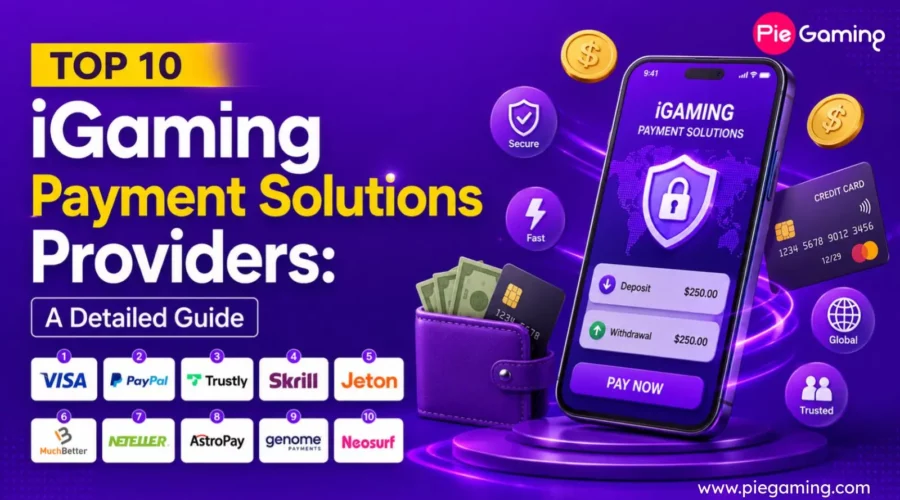
Some payment methods return a definitive outcome quickly, while others require asynchronous notifications or later status checks. These are typical functional boundaries, not a universal allocation of legal responsibility. This guide examines those decisions (including how fiat and cryptocurrency payments differ), why reconciliation matters, and what to evaluate before integrating a payment provider. Deposits need to be credited correctly (withdrawals must be tracked to their final status), and interrupted transactions require a safe recovery process.
Offering crypto payments can attract customers who value privacy, speed, and innovation. Diligent testing ensures your payment system works flawlessly from day one — building customer confidence and protecting your revenue. A one-size-fits-all strategy just won’t cut it; you’ve got to be flexible and adapt to the specific legal demands of every market you’re in. This helps block unauthorized access and dodgy transactions, making things safer for your genuine customers. The Payment Card Industry Data Security Standard , PCI DSS, is a big one; it’s a set of crucial rules for any business that handles credit card info, ensuring you keep that data super secure.
Our team is dedicated to helping you cut processing expenses (explore new markets), and ensure compliance with changing regulations. Most payment declines are attributed to insufficient funds (banking restrictions), technical difficulties, fraud filters, or casinos blocking customer transactions. For operators focusing on both emerging markets and established jurisdictions, Jeton can simplify integration while providing players with familiar local payment methodologies. Operators should concentrate on capturing frequent bettors (poker enthusiasts), and high-value clients who value prompt withdrawals and versatile wallet-based transactions. Despite many similarities with Skrill (Neteller has historically retained a robust presence among knowledgeable bettors), poker players, and VIP customers who prioritize quick fund transfers between gaming platforms. Operators face a multitude of threats such as chargebacks — abuse of bonuses, account takeovers, stolen payment credentials, and money laundering activities.
In Asia, the Philippines is at the forefront of a region lacking a unified standard.
A provisional measure can be changed or challenged — so monitor official updates and legal advice before making decisions. Gambling transactions are coded with a dedicated merchant category code, and card schemes apply special rules and registration requirements to this category. ” It provides the merchant account — applies scheme rules, and decides whether your business, licence and traffic are acceptable. In 2026, operators need fast, secure, flexible, and globally scalable payment infrastructure to remain competitive.
If the documents are not in within 30 days, the operator must end the relationship. Decline codes show which issuer, method or rule blocks deposits, and a lost deposit costs more than half a point saved on the rate. Keep chargebacks under 0.75% and record the approval rate per method as the baseline High-risk onboarding at card PSPs runs from 3-28 days at Trust Payments to 4-8 weeks at Adyen and PXP, and the new provider prices the account as a new merchant with no processing history. Mastercard’s Excessive Chargeback Merchant assessments start at $1,000 in a merchant’s second month in the program, climb to $25,000 a month from month 7 and reach $100,000 a month from month 19.